

Introduction
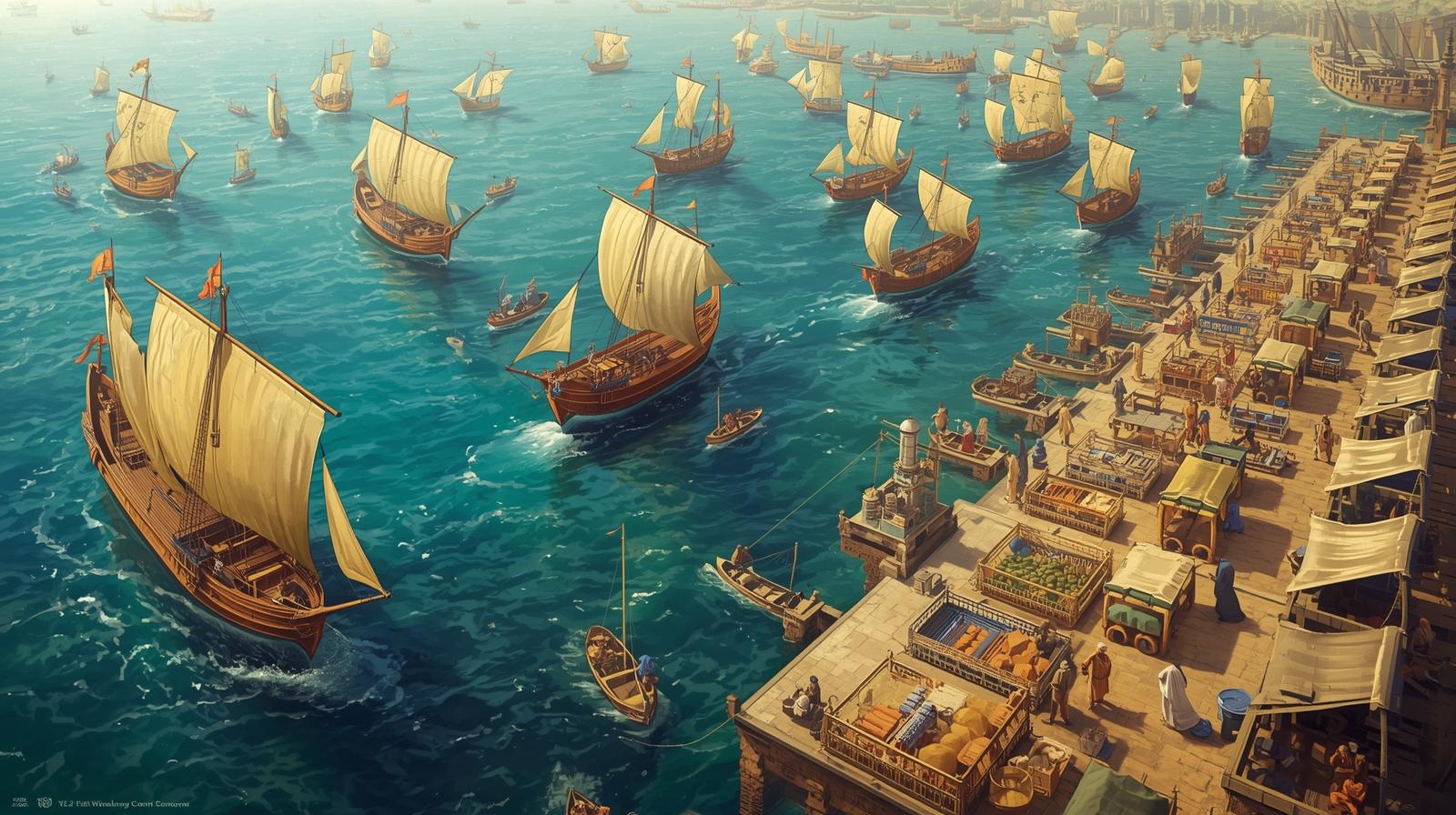
Long before the discovery of oil transformed its economic landscape, the UAE’s prosperity was intrinsically linked to the sea, and at the heart of this maritime economy was the dhow. These elegant wooden sailing vessels were not merely boats; they were the engines of commerce, the vehicles of cultural exchange, and the lifeblood of coastal communities. The “Dhow Economy” sustained the region for centuries, creating a sophisticated trade network that connected the modest ports of the Trucial Coast to the vast markets of India, East Africa, and beyond. This article explores how these seemingly simple wooden crafts built a resilient and far-reaching economic system that laid the groundwork for the UAE’s future as a global trading hub.
The Workhorses of the Sea: Types of Dhows and Their Cargo
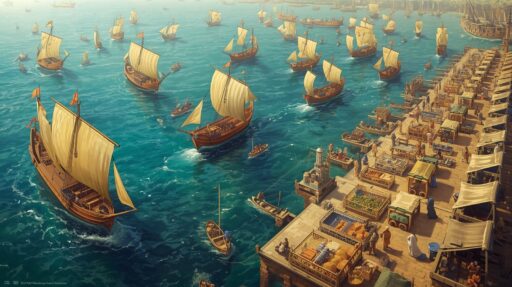
The term “dhow” encompasses a variety of vessels, each designed for a specific purpose. The Boom, with its towering, lateen sail, was the ocean-going freighter, capable of carrying heavy cargo like dates, dried fish, and pearls across the Indian Ocean. The Baghlah was a larger, often ornately carved vessel used for both trade and as a royal yacht. The Sambuk was the quintessential pearling dhow, designed for agility and capacity in the waters of the Gulf. These vessels were the container ships of their day, carrying exports from the Arabian Peninsula—primarily pearls, but also dates, dried fish, and animal hides—and returning with essential imports: timber from India, rice from Persia, textiles from Mesopotamia, and spices from the East Indies.
The Cycle of the Seasons: Pearling and Trade
The dhow economy operated on an annual cycle dictated by nature and commerce. The most critical season was the four-month pearling season (Al Ghous Al Kabir), from June to September. During this time, almost the entire male population of coastal towns would embark on dhows for the perilous work of pearl diving. The wealth generated from the sale of pearls financed the rest of the year’s trading activities. Once the pearling season ended, the dhows were re-fitted for long-distance trade. The Nakhuda (captain) would plan voyages to ports like Bombay, Mangalore, Mombasa, and Basra, leveraging the monsoon winds to ensure a timely and profitable journey. This cyclical rhythm ensured a continuous flow of goods and capital.
The Human Capital: The Nakhuda, Sailors, and Merchants
The dhow economy was powered by a highly specialized and skilled workforce. The Nakhuda was a figure of immense authority and respect. He was not only the captain and navigator but also the business manager, often having a financial stake in the voyage. His knowledge of the stars, winds, and treacherous coastal waters was unparalleled. The sailors were skilled in every aspect of seamanship, from handling the massive sails to repairing the hull at sea. On land, a network of merchants and financiers operated. They provided the capital for expeditions, acting as early venture capitalists, and managed the complex logistics of buying and selling goods in the souqs. This ecosystem created a distinct mercantile class that would later form the backbone of the UAE’s business community.
Ports of Call: The Early Trading Hubs
Key settlements grew into prosperous ports precisely because of their strategic locations for the dhow trade. Dubai Creek became a thriving hub because its natural inlet provided a safe anchorage. The Al Bastakiya quarter was founded by Persian merchants drawn by Dubai’s commercial potential. Other ports like Sharjah, Khor Fakkan, and Ras Al Khaimah also flourished. These towns were not just points of transaction; they were melting pots. Indian bankers, Baluchi guards, African laborers, and Arab traders lived and worked side-by-side, creating a cosmopolitan and tolerant culture that prefigured the modern UAE. The souq, the mosque, and the dhow harbor formed the tripartite heart of these communities.
Conclusion: The Foundation of a Trading Nation
The decline of the dhow economy began with the collapse of the pearl market and the rise of steamships in the early 20th century. However, its legacy is indelible. The dhow economy instilled a mercantile spirit, a deep understanding of global trade routes, and a culture of negotiation and risk-taking that never left the region. When oil was discovered, the leadership of the UAE did not abandon this heritage; they built upon it. The mega-ports of Jebel Ali and Khalifa, the world-class airports, and the free zones are the direct descendants of the dhow tradition. They represent a scaling-up of the same fundamental principle: that the UAE’s prosperity lies in its ability to connect the world. The wooden dhow, in its elegant simplicity, was the first vessel to carry the nation on this journey.