

Introduction
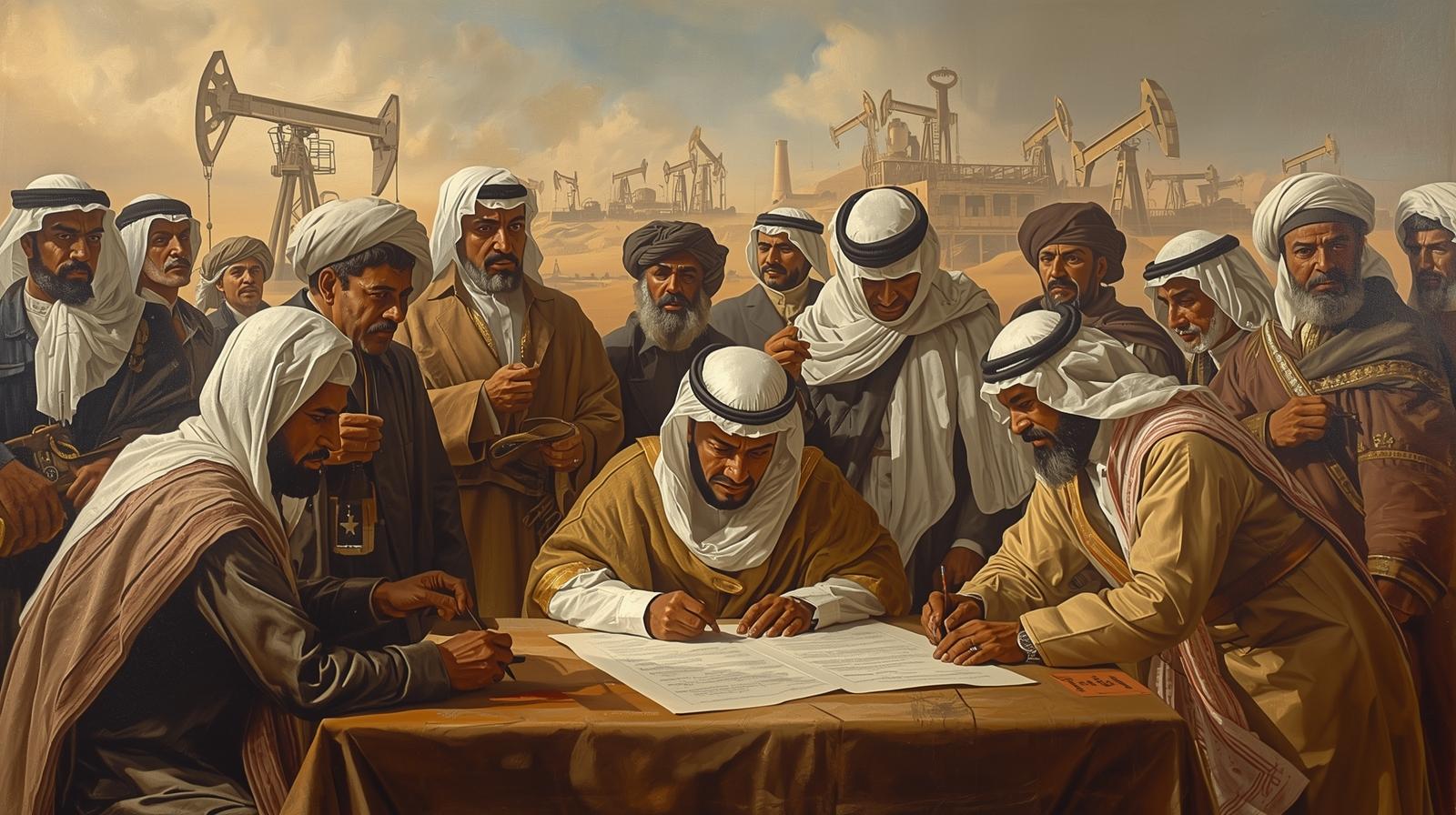
The modern history of the UAE is demarcated by a single, pivotal event: the signing of the first oil concession. On January 5, 1939, Sheikh Shakhbut bin Sultan Al Nahyan, Ruler of Abu Dhabi, put his signature to an agreement with the Trucial Coast Development Oil Company, a forerunner of the Iraq Petroleum Company. This document, exchanged for a modest sum of money and the promise of future royalties, represented a monumental leap of faith. In a region impoverished by the recent pearl crash, it was a gamble on an unseen resource, a signature that would, within a few decades, irrevocably alter the destiny of the Trucial Coast and unleash one of the most dramatic transformations in human history.
The Long Search: Geological Hope and Early Setbacks
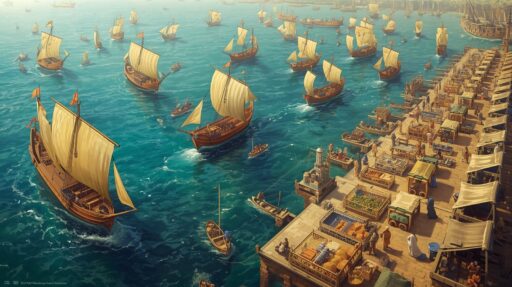
The quest for oil in the region began long before 1939. In the 1920s, geologists had noted surface oil seeps, sparking interest from major Western oil companies. The first concession was actually signed in 1935 by Sheikh Saeed bin Maktoum of Dubai, but exploratory drilling yielded nothing. The search in Abu Dhabi was similarly fraught with difficulty. The harsh terrain, lack of infrastructure, and the onset of World War II caused significant delays. For the local population, the activities of the oil company geologists and surveyors were a curious spectacle, a distant promise that offered little immediate relief from the grinding poverty of the post-pearl era. Hope was tempered by skepticism born of hardship.
The Terms of the Gamble: Pens, Pounds, and Promises
The 1939 concession agreement was, by modern standards, starkly imbalanced. In return for a 75-year exclusive right to explore for and produce oil across Abu Dhabi’s entire territory, the company paid Sheikh Shakhbut an initial signing bonus of £30,000 (a fraction of what was paid elsewhere) and an annual rental fee. The royalty upon discovery was set at just three Indian rupees per ton of oil. For the oil company, it was a high-risk, potentially high-reward venture in a remote and politically uncertain region. For Sheikh Shakhbut, it was a necessary gamble. The immediate financial injection was desperately needed, and the prospect of a future income stream offered a glimmer of hope where none existed.
The Discovery and the Delay: From Signature to Reality
Signing the concession was one thing; finding oil was another. World War II brought all exploration to a halt for several years. It was not until 1950 that drilling recommenced. The first commercially viable discovery was not made until 1958 at the Bab oilfield, and the first crude oil export shipment did not leave the newly built Jebel Dhanna terminal until 1962—a full 23 years after the concession was signed. This long gap underscores the “leap of faith” taken by Sheikh Shakhbut. He had to maintain belief in the project for over two decades with no tangible results, managing the expectations of his people while navigating the complexities of a new relationship with the international oil industry.
The Ripple Effect: The Concession’s Unforeseen Consequences
The signing of that first concession set in motion a chain of events with consequences far beyond the economic. It drew the Trucial States more firmly into the orbit of global politics and commerce. It necessitated the creation of basic infrastructure, from airstrips to wireless communications, connecting the emirates to the outside world. It also created a new source of tension and rivalry between the emirates, as rulers jockeyed to secure their own concessions. Most importantly, it established a model. The Abu Dhabi concession became a template for agreements signed by other emirates, including the one in Dubai that led to the discovery of oil in Fateh in 1966, ensuring that the coming oil wealth would be a federal, not just an Abu Dhabi, phenomenon.
Conclusion: The Signature That Built a Nation
The 1939 oil concession was more than a business deal; it was the seed from which the modern UAE grew. Sheikh Shakhbut’s signature, a act of faith made in a time of desperation, set the stage for everything that was to come: the wealth, the infrastructure, the federation, and the global stature. It marked the moment the region’s destiny shifted from being dictated by the precarious harvest of the sea to the vast, subterranean wealth of the land. While the oil itself would not flow for years, the pen stroke in 1939 was the true beginning of the end of the “Years of Hunger” and the dawn of a new epoch.